概要
Tie (n.) Old English teag, "cord, band, thong, fetter," literally "that with which anything is tied," from Proto-Germanic *taugo (source also of Old Norse taug "tie," tygill "string"), from PIE *deuk- "to pull, to lead" (source also of Old English teon "to draw, pull, drag;" ).
Figurative sense is recorded from 1550s. Sense of "cravat, necktie" (usually a simple one knotted in front) first recorded 1761. The railway sense of "cross-beam between and beneath rails to keep them in place" is from 1857, American English. Meaning "equality between competitors" is first found 1670s, from notion of a connecting link. Tie-breaker is recorded from 1938. (http://etymonline.com)
更に見る
商品
全ての商品をみる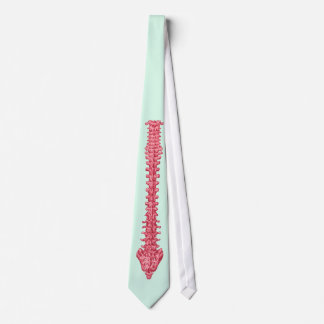
脊柱 ネクタイ
価格¥6,800
ヒトデ ネクタイ
価格¥6,800
ずっと角状のCowfish ネクタイ
価格¥6,800
人間の足骨 ネクタイ
価格¥6,800
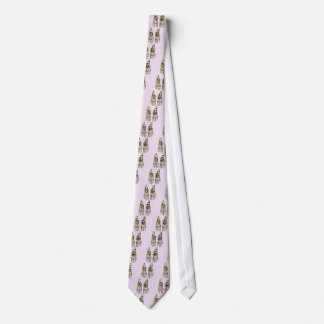
人間の足骨 ネクタイ
価格¥6,800
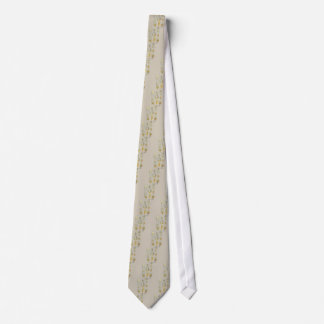
輪形動物か`の車輪動物」 ネクタイ
価格¥6,800
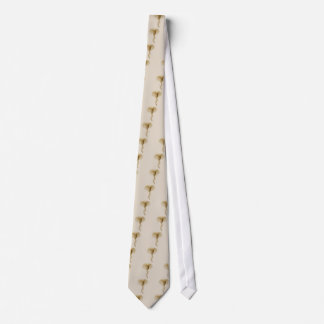
Crinoids ネクタイ
価格¥6,800
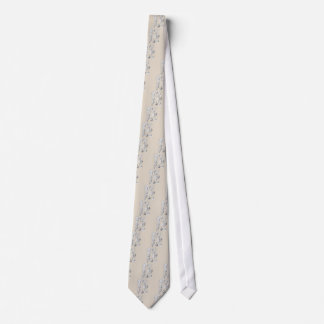
渦鞭毛藻 ネクタイ
価格¥6,800
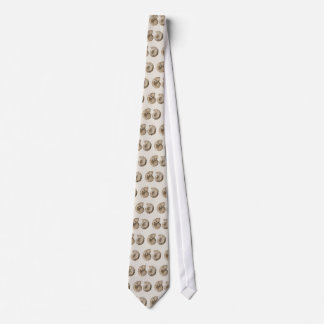
アンモナイト ネクタイ
価格¥6,800
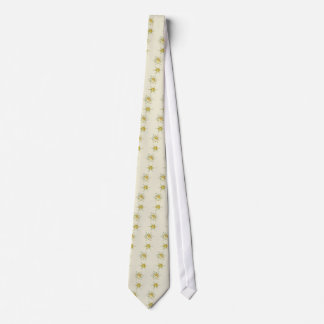
Radiolaria ネクタイ
価格¥6,800
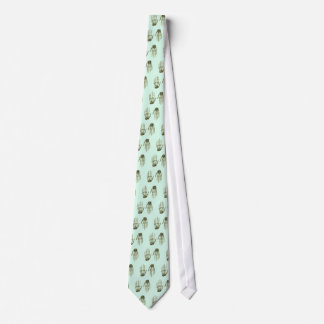
手骨 ネクタイ
価格¥6,800
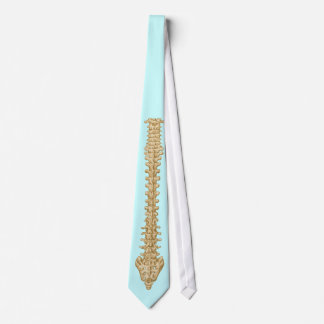
脊柱 ネクタイ
価格¥6,800