The Penitent Magdalene Praying COLLECTION
The history of Western European art would be much the poorer if it were not for St. Mary Magdalene. Next to the Blessed Virgin Mary, St. Mary Magdalene was the only individual female represented again and again by artists in every medium, from anonymous medieval miniaturists to iconic painters and sculptors like Rogier van der Weyden, Carlo Dolci, Titian, Caravaggio, and Donatello and Pompeo Marchesi, among many others. In addition to being included in crucifixion scenes at the foot of the cross and resurrection scenes at the empty tomb on Easter morning that allowed artists to explore heightened female emotion, Mary Magdalene received “star treatment” in stand-alone portraiture that, given her reputation as a great beauty and reformed prostitute, allowed artists to explore female sensuality in a way that pushed at the societal boundaries of respectability in public art. The penitent Magdalene was a popular theme. In such artworks, St. Mary Magdalene was usually represented in a barren landscape or at the mouth of a cave; praying or reading in the presence of an often makeshift cross; fully clothed (as here), partially clad, or covered only by her long red or blonde hair; and with her signature container of burial ointment and perhaps a skull as a memento mori, that is, a visual reminder of the transitory nature of life and the inevitability of death. The colorist here has emphasized the Magdalene’s life before and after her conversion by painting her hair a brilliant golden orange to symbolize sexiness and vanity and her wrap a subdued purple, purple (or violet) being the liturgical color of repentance. Whatever her sins, prostitution was not among them. 20th-century academic research has affirmed that Pope St. Gregory I the Great erroneously conflated St. Mary Magdalene with St. Mary of Bethany, sister of SS. Martha and Lazarus, and with the "sinful woman" who anoints Jesus in Luke 7:36–50 in an influential Easter sermon (Homily 33) in 591 A.D. Today, the Church celebrates her, as the Orthodox tradition always has, as “Apostle to the Apostles.” + Feast: July 22
結果:15 件
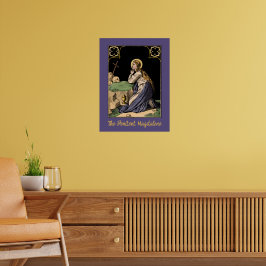
悔悛するマグダラのマリア ポスター
価格¥8,375
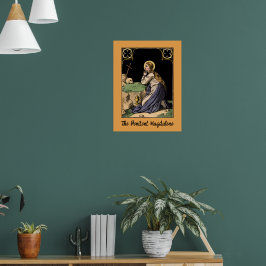
悔悛するマグダラのマリア ポスター
価格¥8,375
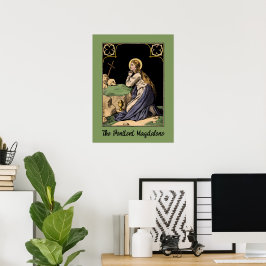
悔悛するマグダラのマリア ポスター
価格¥8,375
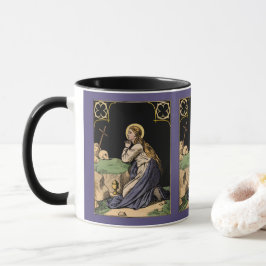
悔悛するマグダラのマリア マグカップ
売値 ¥3,195. 元値 ¥3,550.
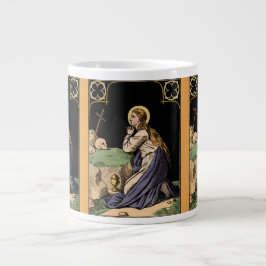
悔悛するマグダラのマリア ジャンボコーヒーマグカップ
価格¥4,000
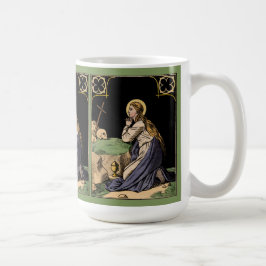
悔悛するマグダラのマリア コーヒーマグカップ
売値 ¥3,195. 元値 ¥3,550.
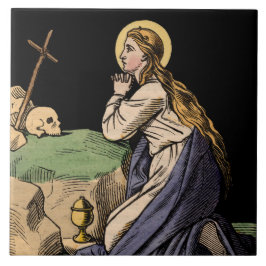
悔悛するマグダラのマリア タイル
価格¥3,200
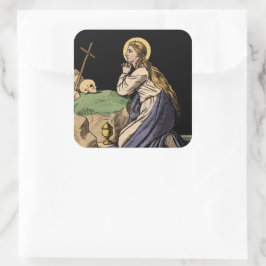
悔悛するマグダラのマリア スクエアシール
価格¥2,200
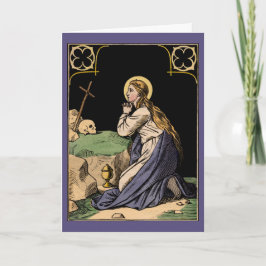
悔悛するマグダラのマリア カード
価格¥538
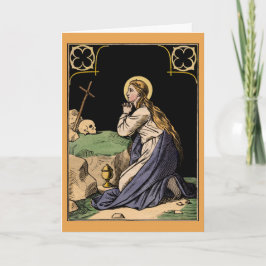
悔悛するマグダラのマリア カード
価格¥538
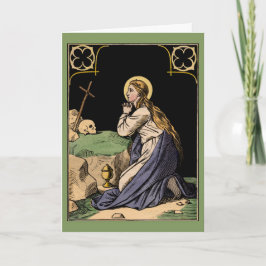
悔悛するマグダラのマリア カード
価格¥538
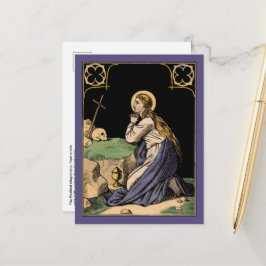
悔悛するマグダラのマリア ポストカード
価格¥266
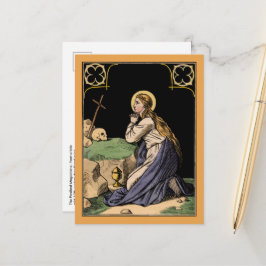
悔悛するマグダラのマリア ポストカード
価格¥266
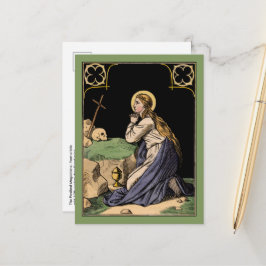
悔悛するマグダラのマリア ポストカード
価格¥266
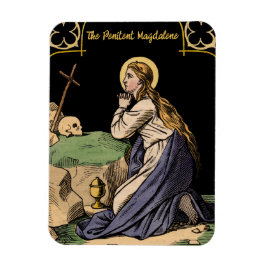
悔悛するマグダラのマリア マグネット
価格¥989
Saints_Aplentyのその他の注目コレクション